When something breaks
Is a broken garage door an emergency?
A door stuck open, a car shut inside or a door that fell is an emergency. A door that closed and went quiet usually is not, though a loose cable or a cracked bottom section can turn ordinary wear into an urgent call fast. If it is unclear, phone and describe what the door is doing.
Can I open the door with a broken spring?
The spring is what carries the door, not the opener. Lifting the door by hand with a broken spring puts the full weight on cables, drums and bottom brackets that are still under tension, and on you. Leave the door where it is and phone, and we will come out for the spring repair and replacement that follows.
Why does my door back up before it closes?
The photo-eye sensors near the floor are usually the first suspect. A spider web, a bumped bracket, sunlight on the lens or a loose wire all keep the beam from making a clean pass. On newer openers, the light on the sensor blinks a code to say the same thing, and photo-eye sensor repair works through the usual causes in order.
Why won't my door open or close?
A door that will not do anything can be any of a short list: dead power at the opener, dead sensors, a broken spring, a cable off a drum, a track full of ice, or the wall lock switch on (lock mode turns off remotes and keypads while the wall button still works). The order to check in matters, and the full walk-through for a door that will not open or close runs it in the right order.
Springs, sensors, seals and openers
Can I fix a garage door spring myself?
Both torsion and extension springs carry enough stored energy to injure badly when they let go, and the tools to wind a torsion spring are specific. Spring replacement is a technician's job, and the safety reason alone is enough to leave it to one. We cover how we do it on the spring repair page.
Does cold weather break springs?
Cold does not snap a healthy spring. It finishes off a tired one. Northern Illinois spends about 140 days a year at or below freezing, and the hardest ask on a spring is the first lift of the day on a cold morning, which is why springs give out most often in the cold season.
What does a blinking sensor light mean?
A sensor light that blinks when you press the wall button usually means the two photo eyes are out of alignment, the lens is dirty, or something is in the beam. One eye should glow steady, the other should glow steady or blink only when the beam is broken. Keep hands and heads clear of the door. The full test, with sensor alignment and the wiring behind it, happens on the visit.
Why is there daylight under my door?
The bottom seal is a rubber or vinyl strip in a retainer along the bottom of the lowest section. Over the years it tears, hardens or wears flat where it rides the slab. Light under the corners means the seal is past its useful life, and sometimes the retainer has rusted enough that it needs replacing too. Bottom seal and weather stripping replacement is the fix.
Should I repair or replace my opener?
If the opener has photo-eye sensors, a working logic board and parts that still ship, repair is usually the shorter call. An opener older than its sensors is on borrowed time; one with no sensors at all is worth replacing on safety grounds alone. We handle the parts side on the opener repair page.
Costs and decisions on a Barrington garage door
How is garage door repair priced in Barrington?
Pricing happens at the door, after a technician has looked at it and before any work starts. The part, the door's size and weight, the age of the hardware around the part and the opener's state all move the number, which is why what goes into a repair price lists the drivers without pretending there is a figure that fits every door.
Is there an hourly rate?
A spring replacement is quoted per door, and most other repairs are quoted the same way. The technician gives the number before anything is turned, with each line of the quote explained.
What is the most common repair?
Springs are the single most common failure, followed by rollers and lift cables. Photo-eye sensors, bottom seals and small opener parts fill out the usual list. A door with one broken part and the rest sound is the normal picture, which is why diagnosis matters more than any one service.
Is it cheaper to repair or replace a garage door?
A single part on a sound door is cheaper to repair. A door with cracked sections, missing hinges and a model that is no longer made is cheaper to replace, because the second repair is already close behind. The repair or replace guide walks through the count that decides it.
Older houses and the Village
My house is in the historic district: what changes for the garage door?
The paperwork changes before the door choice does. The Village's Historic Overlay District calls for a Certificate of Appropriateness alongside a building permit on any exterior change in the district. A minor repair sits outside Architectural Review Commission approval, the Village says, though a permit may still apply, so Village staff are the first call on any exterior project. On the door itself, the guidelines for overhead doors are worth a read before a new door gets picked.
Does garage door work need a permit in Barrington?
A building permit is required at the Village for most types of exterior work, per the Village's FAQ, which lists roofing, siding, windows, driveways, fences, decks, sheds and more, and does not name garage doors. The FAQ asks owners to call the Village and ask for a Building Inspector with specific questions. For a given job and address, the Village's Development Services Department answers; who to ask about a permit lays out what the public pages do and do not say about garage doors.
Do contractors register with the Village?
Yes, when a permit is in play. All contractors and subcontractors associated with a permit must be registered with the Village, and the permit does not issue until every contractor has registered. On the homeowner side, the hiring guide walks through what that means when a company shows up at your house.
Talking to us about your garage door
What happens when I call?
A short conversation. You tell us what the door just did, where it stopped, and what you heard. We ask a few more questions to work out which parts belong on the van, and we tell you when a technician can get out. Calls are recorded. A fuller picture of a visit covers the rest.
What should I have ready?
A short description works better than a photograph. Think through:
- What the door did last, when, and what you heard.
- Where the door stopped on its last run.
- The door's rough size, single or double.
- The opener's style, chain, belt or screw drive.
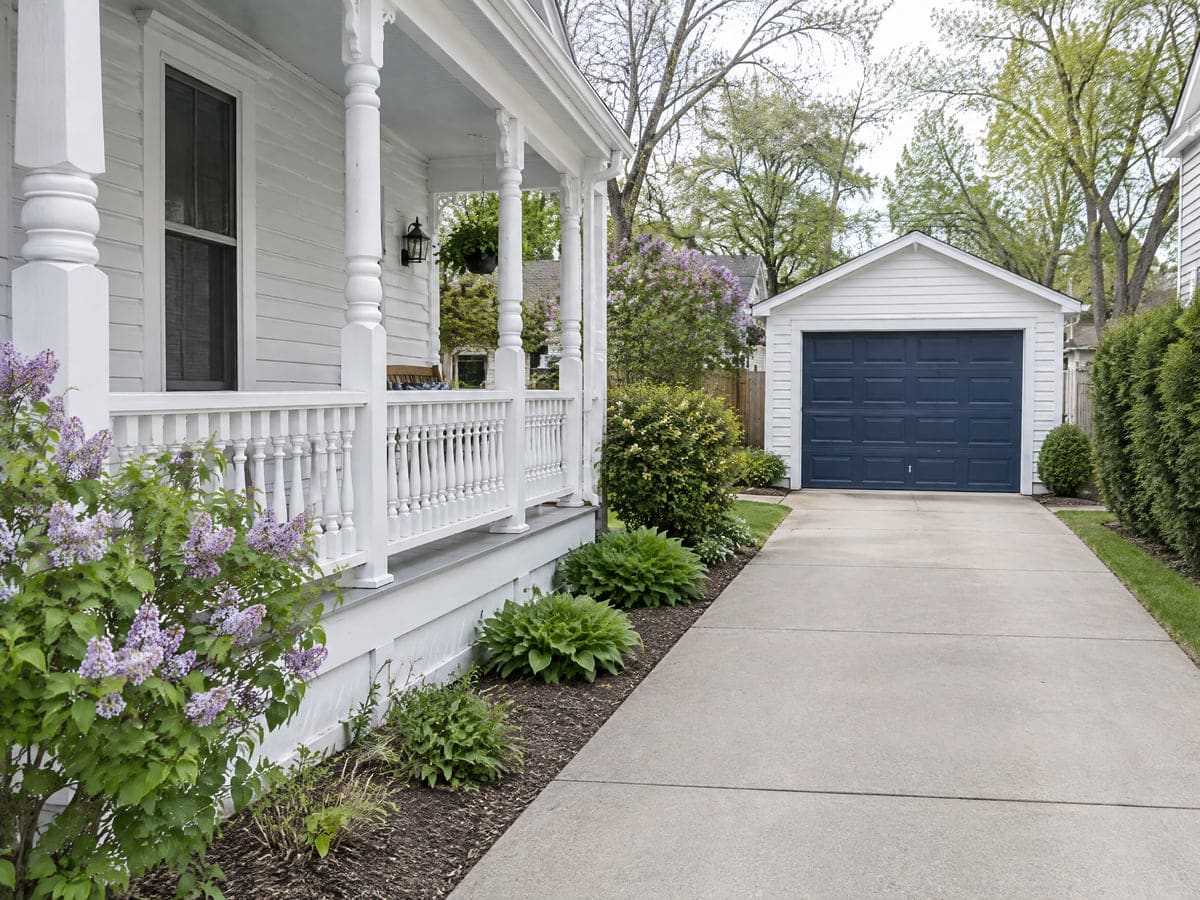
- Whether a car is inside, whether the door is open or closed, and whether the house is in the historic district if you are thinking about a new door.
How soon can someone come?
That depends on the day's list. For a car trapped inside, a door hanging crooked or a door that will not close at night, say so when you phone and the call moves up. A tune up or a seal replacement usually fits whenever the day you ask for is open.
Can I leave my number instead of calling?
The callback form lives below the number on every page, for when the time is wrong for a voice call. Jot a line about what the door is doing with your name and number, and we will ring back. Picking up the phone is still the shorter route for anything with a car trapped inside or a door stuck open after dark.